Digital Restoration
Digital restoration illustrates how an artifact appeared in its original state and historical context, fostering public engagement and broadening access to knowledge, while upholding ethical standards and historical accuracy.
Demonstration
Digital restoration done independently through historical research and photographic references from the Colonial Williamsburg Foundation collection and the technical work of the historical reproduction specialists at The Royal Sword.
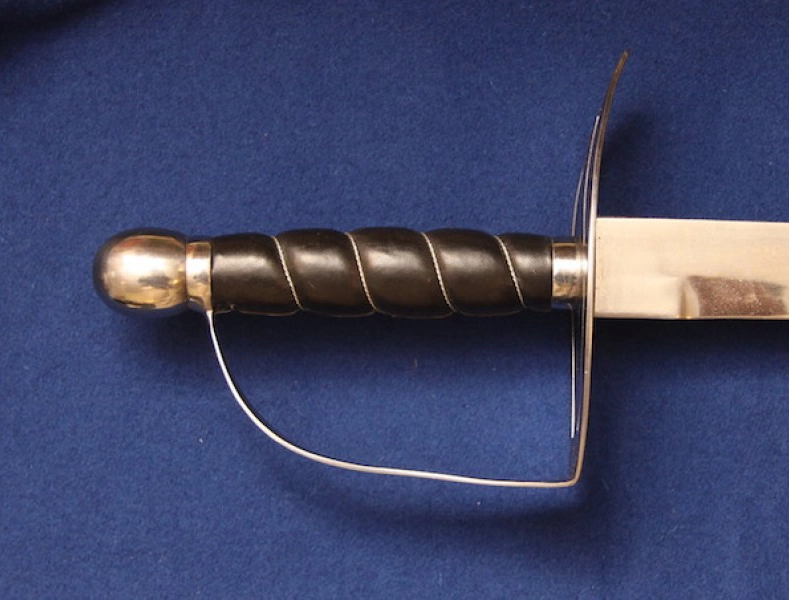
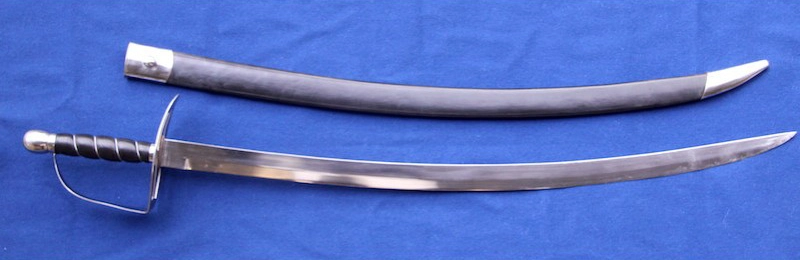
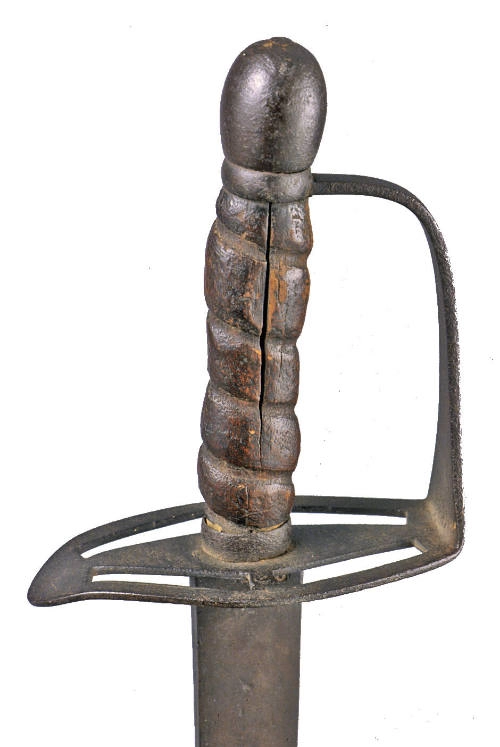

Photographic references © The Royal Sword & Colonial Williamsburg Foundation
Methodology
Recovery of its original integrity done through research based on Erik Goldstein's article for the American Society of Arms Collectors Bulletin and George Neumann's Swords and Blades of the American Revolution, as well as contemporary accounts of the American War of Independence found in the 1787 book A History of the Campaigns of 1780 and 1781 in the Southern Provinces of North America, written by Colonel Banastre Tarleton, and in correspondence between General Cornwallis and Colonel Innes. This version returns to the object its original polish of the steel, the integrity of the leather and the brass wire of the grip, displaying the piece as it would have been used by the British Legion, the Queen's American Rangers, and other British provincial regiments.
Historical and museological relevance
The saber produced by the armorer James Potter in New York (c. 1775-1781) is considered the definitive combat weapon of the American Revolution. It stands out in the museological landscape for its rich historical complexity: although order fby the British Army and used by Loyalist units, its exceptional technical quality made it the most coveted saber of George Washington's rebel army.